How medication can help people reduce their drinking
Medication used under medical supervision can reduce the strength of the reward response that alcohol produces.
For some individuals, this means they may find it easier to stop after one or two drinks instead of continuing.
Many people also report that, over time, they experience more alcohol free days and feel more in control of their decisions around drinking.
Research suggests that when this type of medication is taken ahead of drinking as directed by a doctor, the learned associations
that drive urges can begin to weaken.
One of the brain pathways involved in reward and reinforcement is also associated with opioid based substances.
This medication blocks that pathway, but studies show it does not interfere with general pleasure or enjoyment.
The importance of support alongside medication
Medication alone is not considered sufficient for preventing a return to heavier drinking.
People often benefit from guidance to help them understand and manage emotional, situational or social triggers.
In all major research trials where this type of medication was shown to be effective, it was used in combination with structured counselling or support.
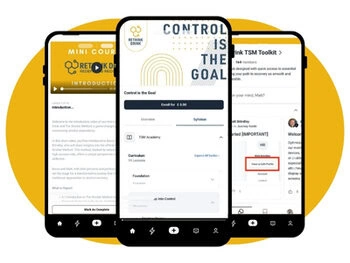
Programmes such as Rethink Drink provide coaching, guidance, accountability and a supportive framework that complements the medical aspect.
Who might not be suitable for this medication?
Suitability must always be assessed by a prescribing doctor.
There are situations where this medication may not be recommended, such as pregnancy, certain medical conditions, or current use of opioid based medication.
Doctors will carry out an assessment and may take routine blood tests before prescribing, as part of safe medical monitoring.
Possible side effects
Clinical trials have identified some commonly reported side effects such as nausea, headache, dizziness, fatigue and sleep changes.
These effects are usually mild and short lived, although a small number of people may experience more persistent symptoms.
A prescribing doctor will discuss possible side effects, answer any questions, and advise on the safest course of action based on individual medical history.
Is this medication addictive?
No.
This type of medication is not considered addictive, does not produce withdrawal symptoms when stopped, and does not lead people to increase the dose.
Important note
This information is provided for educational purposes only and is not a substitute for medical advice.
All medication decisions must be made in consultation with a qualified prescribing doctor.